

Waiting for Butterflies
MaryAnn McKibben Dana has wisdom about complex mothering. Today, she shares an excerpt from her elegant new book, Better Than Normal.

Looking past pink cards and brunch this month, wise moms are weighing in with a deeper look at parenting.
Today MaryAnn McKibben Dana writes:
In our journey parenting kids with anxiety, my husband and I knew the way to address it was by building up so-called distress tolerance: exposing them to small amounts of the stressful situation, armed with coping tools to practice managing it. But we weren’t in our kids’ brains and bodies. How much was too much? As a sometime hiker, I kept thinking about the hikes we’d take in nearby Shenandoah National Park. When we thought we were asking our kids to scale some rolling foothills, did it feel to them like Old Rag, the toughest hike in the park?
This calculation becomes even more complicated with neurodivergence thrown in. People on the autism spectrum, for example, can’t simply tolerate the distress in the same ways a neurotypical person can. There’s no managing their way out of it; accommodation and adjustments are needed for a person to thrive in a world that automatically requires harder work to manage.
Our struggles to love our kids well gave me a lot of empathy for helicopter parents, one of society’s most convenient villains. To be clear, I’ve had my share of run-ins with the most extreme examples . . . and have pursued that helicopter pilot’s license myself on occasion. With the lens of empathic curiosity, though, I better understand the impulse. Life is hard, and it’s a feature of our evolution to love our kids and hate to see them suffer. Parenting styles come and go, but I wonder sometimes whether the move toward helicopter parenting is a reaction to a world that feels so desperately chaotic in ways it’s rarely felt, we’ll do whatever we can to provide a little bit of refuge for our kids in response.
In a world full of new hardships, different from what I endured, the least I can do is not add to the onslaught, I often thought. During one kid’s most difficult season, I vowed not to make it worse. I couldn’t take away the weight my child was carrying, but I could resolve not to add to the load. Which all sounds reasonable until a long-scheduled work trip took me out of town at a fragile time, or we realized we were out of a vital prescription with the pharmacy closed. It was then that I realized I’d given myself an impossible assignment with no margin for error—for being human. What’s more, I was attempting to manage my own discomfort in the name of helping my own kids.
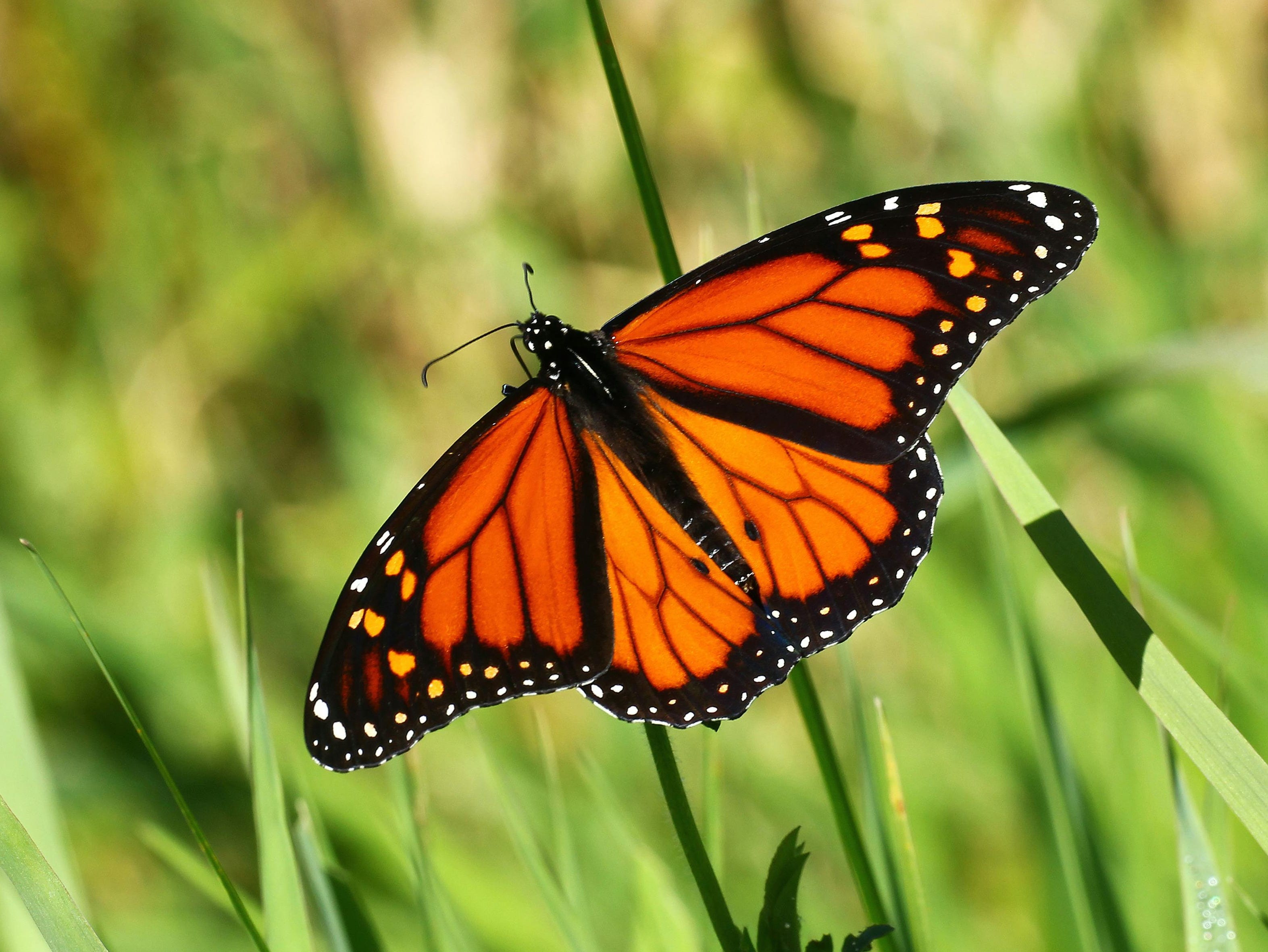
Once, during an intense group therapy session involving several families, the facilitator showed us a video of a monarch butterfly emerging from a chrysalis. The metaphors are well-worn in Christian circles—metamorphosis, new life—but the therapist was driving home a related point: healing takes as long as it takes. Learn to deal with it. Accordingly, the camera focusing on the chrysalis was maddeningly patient, recording every detail. This was no sped- up highlight reel. This was a real- time emergence: the crumpled creature hanging upside-down, rocking from side to side, unfurling the proboscis and retracting it again, almost liturgically. One tiny leg held on to the spent chrysalis for dear life, while another reached up to try and find purchase, again and again and again. It was wondrous and agonizing to watch. The point is to trust the process, to give our kids space to figure things out, furling and unfurling their way into the world, and to face our own discomfort with how damn long it takes. I’ve watched the video since, and it’s an act of discipline not to hit the five-second advance.
Order Better Than Normal right here. You won’t be sorry. Want to watch the butterfly video? It’s here. Butterfly emerging.

Last week’s wisdom from Devon Parish.
"I was attempting to manage my own discomfort in the name of helping my own kids."
I feel this a lot! It's so hard to watch kids struggle
I’m dealing with alot of discomfort these days. My teenage daughter is neurodivergent (I am not) and we are in a very tough season. Most days I feel like I’m walking on eggshells which only upsets me more. This was a good read, thanks!